the change pediatric team
Independent. On the record.
Meet the pediatricians and dermatologists who stand behind Change Diapers™. They see babies like yours every week, and they're here to answer what you've been wondering, in their own words.
What parents ask us
Real questions parents bring into the exam room. Choose a question to hear from our doctors and read the research behind their answers.
Why does my baby keep getting diaper rash?
4 doctors answer
Read what Dr. Vinci saidIn Dr. Vinci's words
As a pediatric dermatologist, the diaper rash I treat usually comes down to only a few driving factors. One is plastic sitting on the baby's skin all day. Second is super absorbent polymer or SAP made from petroleum, skin that delicate shouldn't be in contact with either. That's why I've teamed up with Change Diapers™, the only cotton disposable diaper that replaced petroleum SAP with the world's first natural biodegradable SAP, safe for baby's skin. In my experience, cotton is the safest fiber for a baby's sensitive skin. And with Change Diapers, nothing but breathable cotton touches your baby. It's the only diaper I recommend for my patients and the only one I use for my own kids.
Read what Dr. Patel saidIn Dr. Patel's words
Diaper rash. It is a big problem. Up until now, all diapers were made from plastic. If you wrapped your body up in plastic 24/7, you'd be covered in rashes. The reason why plastic is so problematic is it traps moisture. It raises the body temperature and it creates that perfect warm, humid environment for yeast and bacteria to thrive. This is why I love Change Diapers™. They're made from cotton. Cotton is the only fiber recommended by doctors for babies because it's breathable. It's hypoallergenic. It's ASTM tested for sensitive skin. It's biodegradable and it's super soft. These diapers perform as well as any other diaper I've seen and I recommend you wrap your baby up in cotton, not plastic. I truly think it's the best diaper for your baby.
Read what Dr. Lynch-Ljubi saidIn Dr. Lynch-Ljubi's words
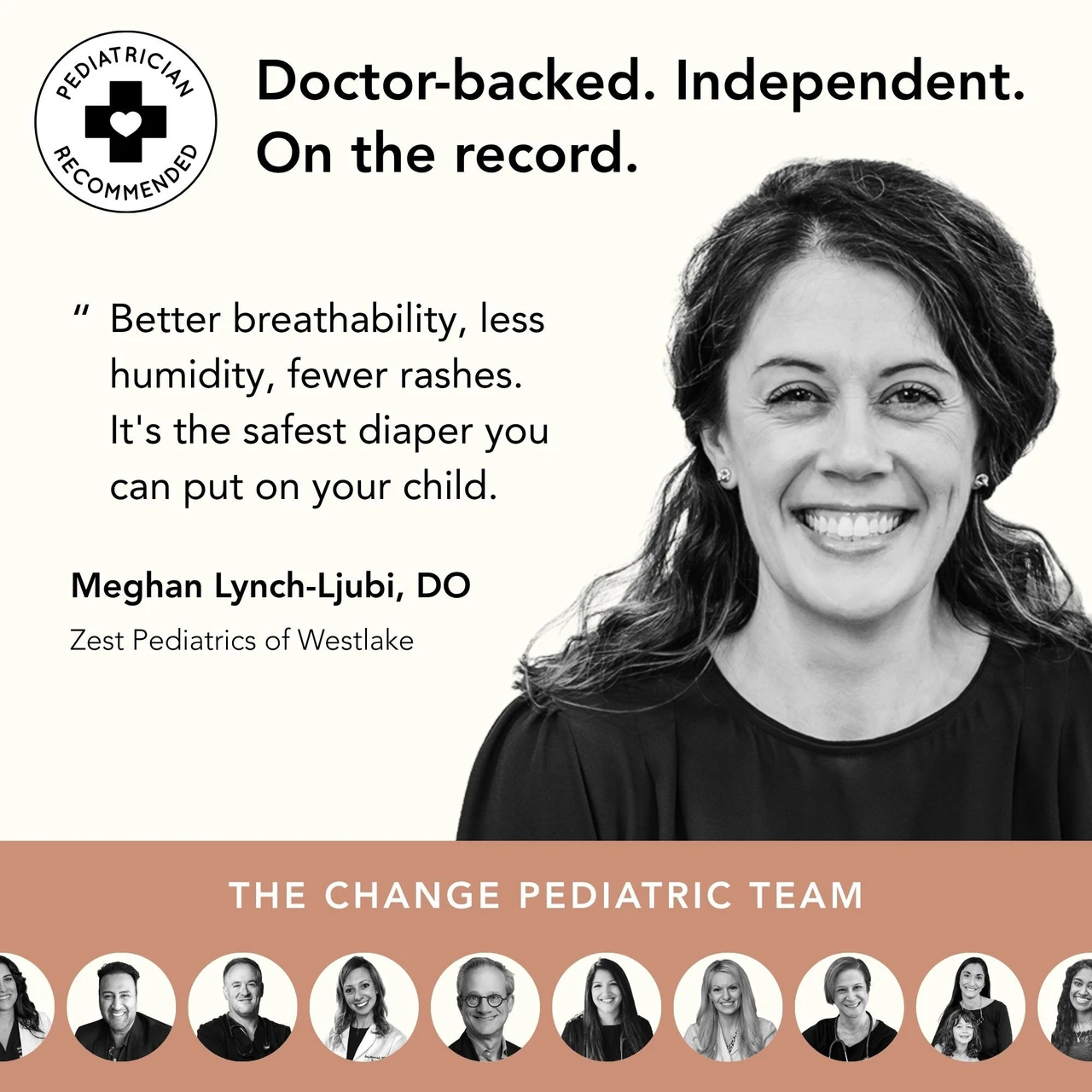
Traditional diapers are made from plastic, and plastic doesn't breathe. It can trap heat, moisture, and bacteria against your baby's skin, and it can raise the skin temperature by up to 8 degrees. Add the chemicals used to make the plastic, plus synthetic fragrances, and you have the perfect storm for a diaper rash. For years, we've been treating the symptoms, but now we have a diaper that addresses the problem. Change Diapers™ are made from cotton. Better breathability, less humidity, fewer diaper rashes. No harsh chemicals, no toxins, and no pollutants. It's the safest diaper that you can put on your child.
Read what Dr. Gupta saidIn Dr. Gupta's words
Parents always ask me, which diaper do I actually trust? So here's the answer. Every disposable diaper that's on the market right now covers your baby in plastic and a petroleum-based super absorbent polymer. This actually isn't good for your baby because plastic doesn't breathe. If the diaper area doesn't breathe, the humidity rises, which creates a perfect breeding ground for bacteria and fungus. Bacteria infect, fungi infect, and now you're left with a really bad diaper rash. The Change Diaper is the world's first cotton disposable diaper that actually uses a biodegradable super absorbent polymer. That means it's not made from fossil fuel. That means it's not made from plastic. Theirs is made with all natural components, wrapping your baby in cotton inside and out. It's the only diaper I'd use on my family.
The research behind their answers
If it feels like you're always fighting diaper rash, you're not alone. Diaper rash is behind about a quarter of all skin-related doctor visits in a baby's first year.1
- WetPee soaks into the top layer of your baby's skin and softens it.
- Sealed inWhen the diaper doesn't let air through, heat and humidity stay trapped against the skin.
- RubbedSoft, damp skin wears down faster every time your baby wiggles.
- pH risesPee raises the skin's pH, which wakes up enzymes in poop that break skin down. That's when yeast and bacteria move in.
Plastic holds heat and moisture in
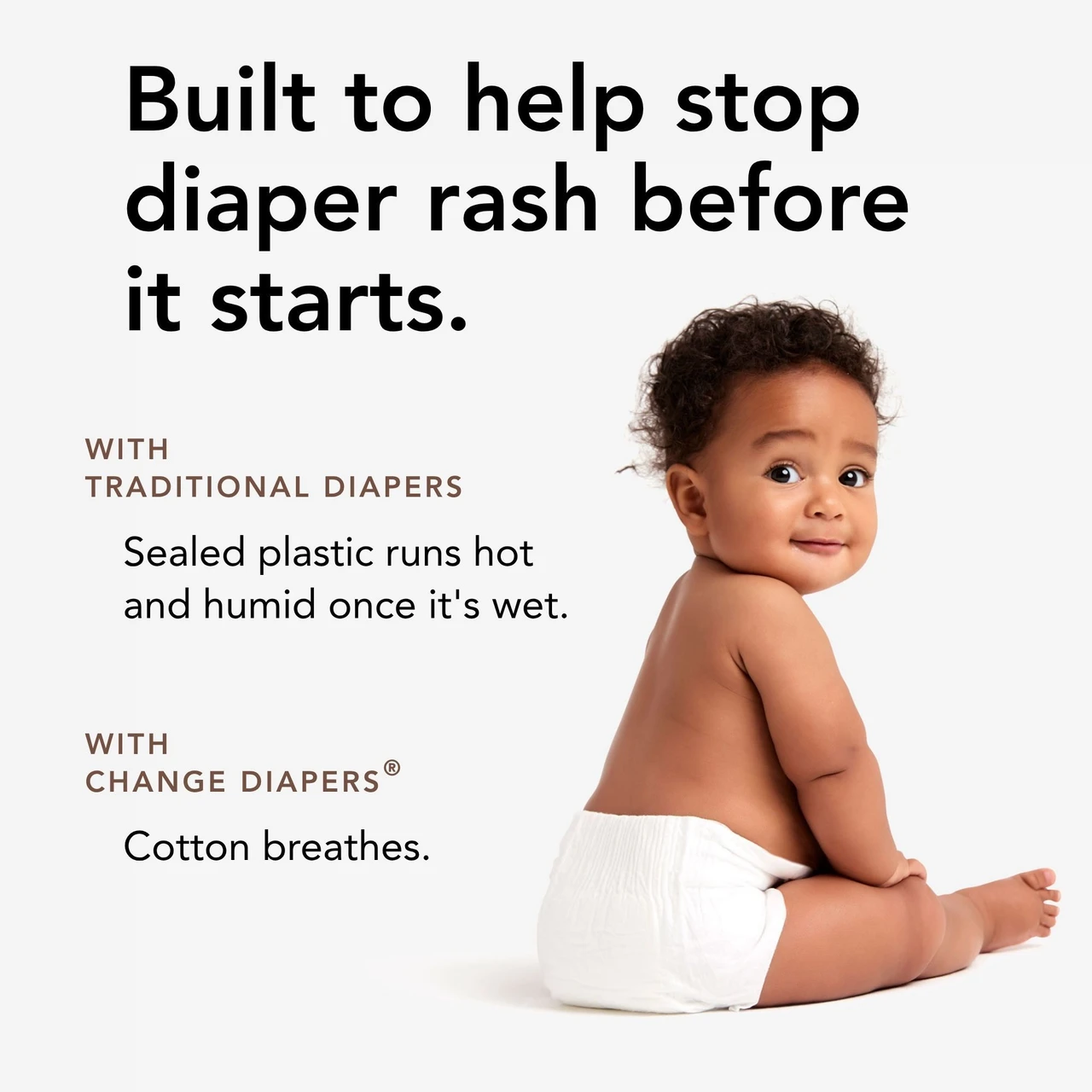
Disposable diapers have been made with plastic for more than 60 years.4 Plastic doesn't let air through, so heat and humidity stay trapped against your baby's skin.2
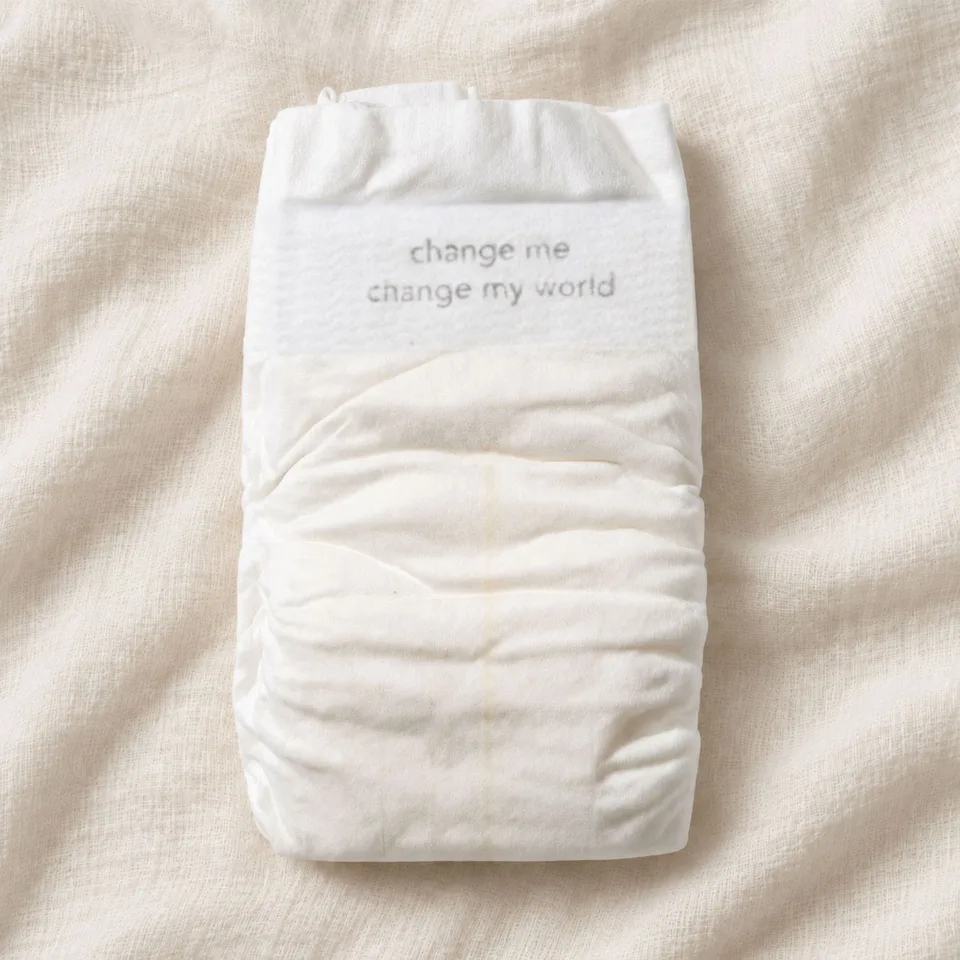
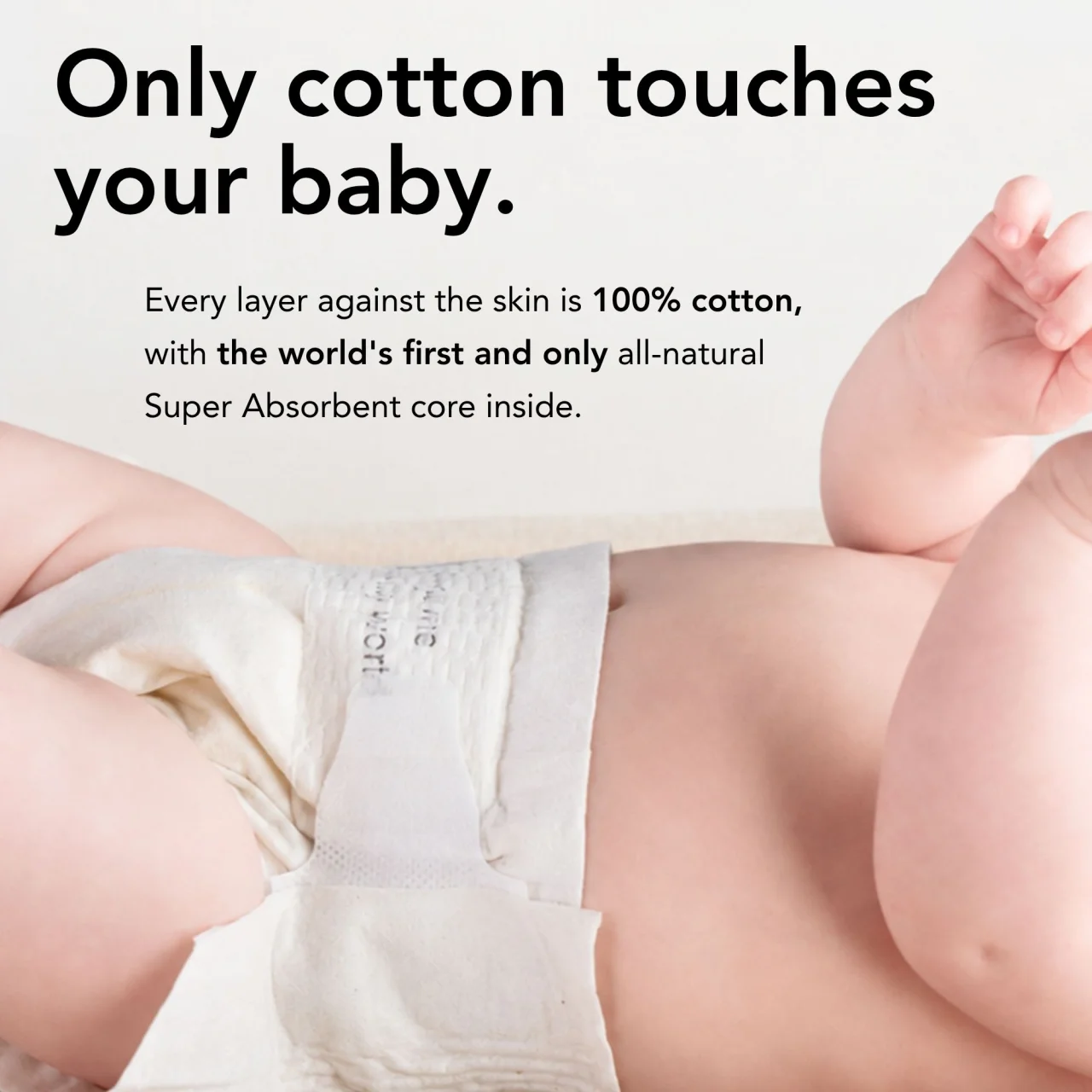
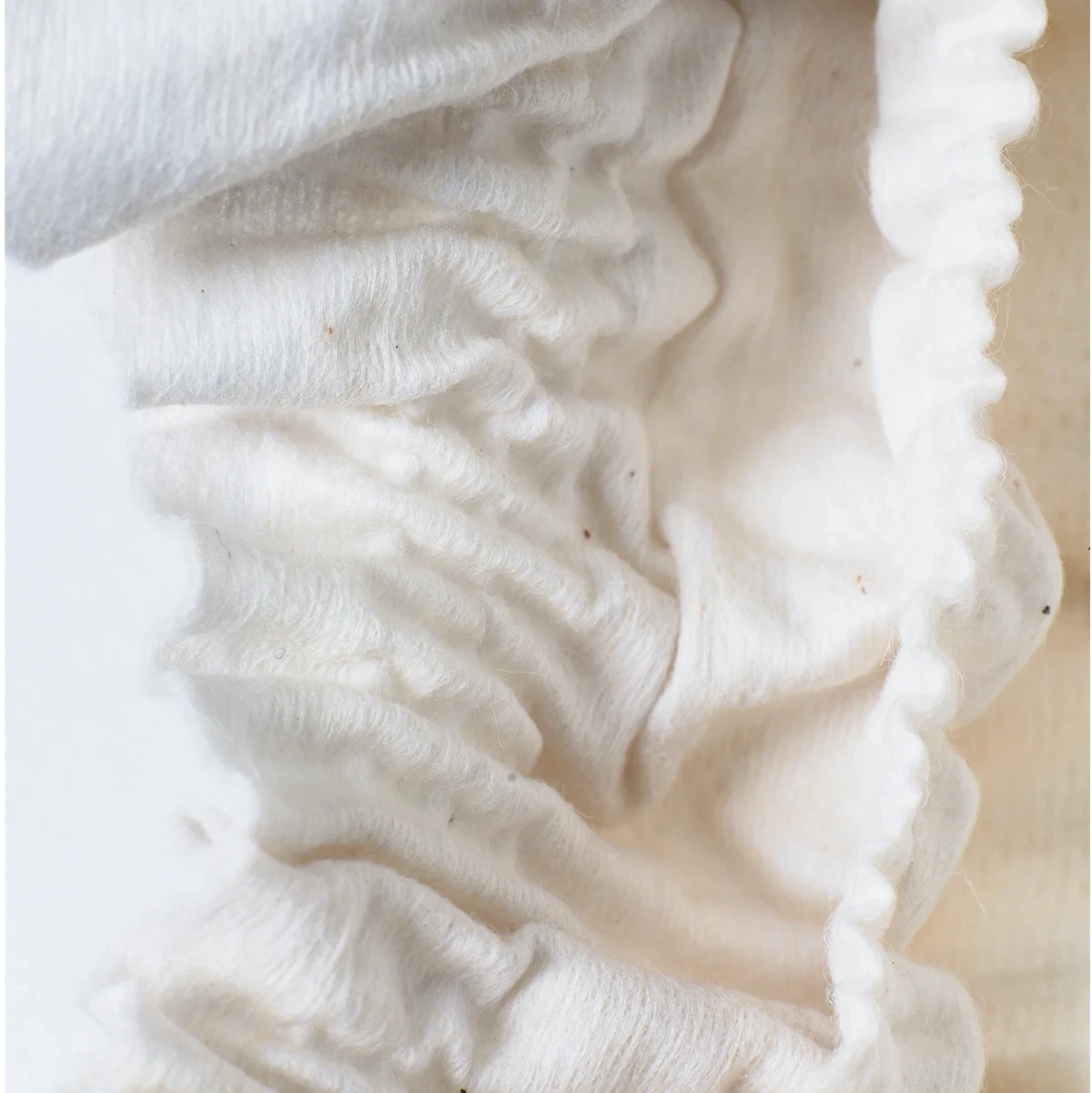
Change puts cotton on every layer that touches your baby. Air moves through cotton, so moisture has somewhere to go.5
Which diaper do you actually trust?
4 doctors answer
Read what Dr. Gupta saidIn Dr. Gupta's words
Parents always ask me, which diaper do I actually trust? So here's the answer. Every disposable diaper that's on the market right now covers your baby in plastic and a petroleum-based super absorbent polymer. This actually isn't good for your baby because plastic doesn't breathe. If the diaper area doesn't breathe, the humidity rises, which creates a perfect breeding ground for bacteria and fungus. Bacteria infect, fungi infect, and now you're left with a really bad diaper rash. The Change Diaper is the world's first cotton disposable diaper that actually uses a biodegradable super absorbent polymer. That means it's not made from fossil fuel. That means it's not made from plastic. Theirs is made with all natural components, wrapping your baby in cotton inside and out. It's the only diaper I'd use on my family.
 Dr. Rachel Mistur, MDNorthcoast Dermatology“Knowing exactly what's in the products touching my family's skin gives me real peace of mind as a parent and doctor.”
Read what Dr. Jassey saidIn Dr. Jassey's words
For over 70 years, we've been putting diapers loaded with chemicals directly against our baby's skin. Talk about danger and probable harm for the sake of convenience. It started in 1961. We may never know for certain whether plastic disposable diaper manufacturers knew that diaper rash would increase by over 50%. Nobody's talking about this except us. Change Diapers™ is the first and only cotton disposable diaper with the world's first and only biodegradable super absorbent polymer made from complex sugar, not crude oil, because this is what it takes to finally make a diaper safe for every child. There's no other diaper I consider using on my own children.
- Dr. Rachel Mistur, MDNorthcoast Dermatology“Knowing exactly what's in the products touching my family's skin gives me real peace of mind as a parent and doctor.”
Read what Dr. Vinci saidIn Dr. Vinci's words
As a pediatric dermatologist, the diaper rash I treat usually comes down to only a few driving factors. One is plastic sitting on the baby's skin all day. Second is super absorbent polymer or SAP made from petroleum, skin that delicate shouldn't be in contact with either. That's why I've teamed up with Change Diapers™, the only cotton disposable diaper that replaced petroleum SAP with the world's first natural biodegradable SAP, safe for baby's skin. In my experience, cotton is the safest fiber for a baby's sensitive skin. And with Change Diapers, nothing but breathable cotton touches your baby. It's the only diaper I recommend for my patients and the only one I use for my own kids.
- Dr. Rachel Mistur, MDNorthcoast Dermatology“Knowing exactly what's in the products touching my family's skin gives me real peace of mind as a parent and doctor.”
What's in a regular diaper, and what is SAP?
4 doctors answer
Read what Dr. Levine saidIn Dr. Levine's words
Reducing the toxins that our kids are exposed to isn't an optional extra, it's essential pediatrics. It's worth stopping to think about what sits against a child's skin all day. And for babies, that's usually a plastic diaper filled with something called super-absorbent polymer. That's why Change Diapers™ has my attention. They're the only cotton disposable that replaces the petroleum-based SAP with a biodegradable polymer made from natural components. No toxins on baby's skin and less plastic in the world they'll inherit.
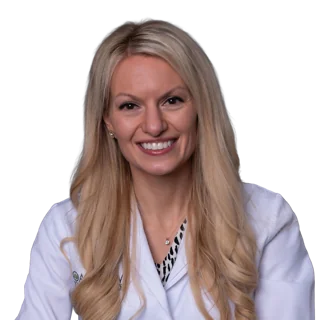 Dr. Barbara Vinci, MD, FAADOakview Dermatology“…super absorbent polymer or SAP made from petroleum, skin that delicate shouldn't be in contact with either.”
Read what Dr. Quattrone saidIn Dr. Quattrone's words
Because every other disposable diaper in the world is made from plastic with little beads inside called super absorbent polymer or SAP made from petroleum. In my practice that plastic and SAP pressed against the skin all day is the root cause of most of the diaper rash and dermatitis I see. That's a problem for babies and kids. It is, but now there's a solution. Change Diapers™ makes their cotton diaper using a process they call Elevated Air Injection. Just cotton fiber, recycled water, and air. They've even engineered the world's first biodegradable SAP to replace the petroleum SAP. The result? A diaper that's cotton inside and out. And it's so soft. So soft and nothing harmful touches your baby. And as a doctor, cotton is the number one fiber I recommend for skin safety. Better for your baby's skin. Hands down.
- Dr. Barbara Vinci, MD, FAADOakview Dermatology“…super absorbent polymer or SAP made from petroleum, skin that delicate shouldn't be in contact with either.”
Read what Dr. Gupta saidIn Dr. Gupta's words
Parents always ask me, which diaper do I actually trust? So here's the answer. Every disposable diaper that's on the market right now covers your baby in plastic and a petroleum-based super absorbent polymer. This actually isn't good for your baby because plastic doesn't breathe. If the diaper area doesn't breathe, the humidity rises, which creates a perfect breeding ground for bacteria and fungus. Bacteria infect, fungi infect, and now you're left with a really bad diaper rash. The Change Diaper is the world's first cotton disposable diaper that actually uses a biodegradable super absorbent polymer. That means it's not made from fossil fuel. That means it's not made from plastic. Theirs is made with all natural components, wrapping your baby in cotton inside and out. It's the only diaper I'd use on my family.
- Dr. Barbara Vinci, MD, FAADOakview Dermatology“…super absorbent polymer or SAP made from petroleum, skin that delicate shouldn't be in contact with either.”
The research behind their answers
What SAP is made of
Most diapers soak up pee with tiny beads called SAP, short for super absorbent polymer. These beads are sodium polyacrylate, made from acrylic acid, which comes from petroleum.6
Change uses a Super Absorbent core that isn't made from petroleum. It's the world's first and only biodegradable Super Absorbent core.5
What touches your baby
Disposable diapers have been made with plastic for more than 60 years.4
Change uses cotton on every layer that touches your baby.5
What's on the label
No federal law requires a diaper to list what it's made of.7
Change lists every component, by weight. See the list
What makes Change different?
4 doctors answer
Read what Dr. Gallagher saidIn Dr. Gallagher's words
Change Diaper is the first diaper of its kind. Until now, diapers were made of plastic, chemical-laden plastic that touches your baby day and night, creating a breeding ground for dermatitis and diaper rash. Change made the first cotton diaper. Their process, Elevated Air Injection, uses only cotton, recycled water, and air. Harsh chemicals are a thing of the past. The only thing that touches your baby is cotton. There's just no better diaper for your baby.
 Dr. Andrew Hertz, MD, FAAPZest Pediatrics of Solon“Well, of course, cloth diapers are great, but not practical for a lot of families. … Now there is a fabulous option.”
Read what Dr. Quattrone saidIn Dr. Quattrone's words
Because every other disposable diaper in the world is made from plastic with little beads inside called super absorbent polymer or SAP made from petroleum. In my practice that plastic and SAP pressed against the skin all day is the root cause of most of the diaper rash and dermatitis I see. That's a problem for babies and kids. It is, but now there's a solution. Change Diapers™ makes their cotton diaper using a process they call Elevated Air Injection. Just cotton fiber, recycled water, and air. They've even engineered the world's first biodegradable SAP to replace the petroleum SAP. The result? A diaper that's cotton inside and out. And it's so soft. So soft and nothing harmful touches your baby. And as a doctor, cotton is the number one fiber I recommend for skin safety. Better for your baby's skin. Hands down.
- Dr. Andrew Hertz, MD, FAAPZest Pediatrics of Solon“Well, of course, cloth diapers are great, but not practical for a lot of families. … Now there is a fabulous option.”
Read what Dr. Gupta saidIn Dr. Gupta's words
Parents always ask me, which diaper do I actually trust? So here's the answer. Every disposable diaper that's on the market right now covers your baby in plastic and a petroleum-based super absorbent polymer. This actually isn't good for your baby because plastic doesn't breathe. If the diaper area doesn't breathe, the humidity rises, which creates a perfect breeding ground for bacteria and fungus. Bacteria infect, fungi infect, and now you're left with a really bad diaper rash. The Change Diaper is the world's first cotton disposable diaper that actually uses a biodegradable super absorbent polymer. That means it's not made from fossil fuel. That means it's not made from plastic. Theirs is made with all natural components, wrapping your baby in cotton inside and out. It's the only diaper I'd use on my family.
- Dr. Andrew Hertz, MD, FAAPZest Pediatrics of Solon“Well, of course, cloth diapers are great, but not practical for a lot of families. … Now there is a fabulous option.”
Is it safe for my baby's sensitive skin?
4 doctors answer
Read what Dr. Quattrone saidIn Dr. Quattrone's words
Because every other disposable diaper in the world is made from plastic with little beads inside called super absorbent polymer or SAP made from petroleum. In my practice that plastic and SAP pressed against the skin all day is the root cause of most of the diaper rash and dermatitis I see. That's a problem for babies and kids. It is, but now there's a solution. Change Diapers™ makes their cotton diaper using a process they call Elevated Air Injection. Just cotton fiber, recycled water, and air. They've even engineered the world's first biodegradable SAP to replace the petroleum SAP. The result? A diaper that's cotton inside and out. And it's so soft. So soft and nothing harmful touches your baby. And as a doctor, cotton is the number one fiber I recommend for skin safety. Better for your baby's skin. Hands down.
Read what Dr. Patel saidIn Dr. Patel's words
Diaper rash. It is a big problem. Up until now, all diapers were made from plastic. If you wrapped your body up in plastic 24/7, you'd be covered in rashes. The reason why plastic is so problematic is it traps moisture. It raises the body temperature and it creates that perfect warm, humid environment for yeast and bacteria to thrive. This is why I love Change Diapers™. They're made from cotton. Cotton is the only fiber recommended by doctors for babies because it's breathable. It's hypoallergenic. It's ASTM tested for sensitive skin. It's biodegradable and it's super soft. These diapers perform as well as any other diaper I've seen and I recommend you wrap your baby up in cotton, not plastic. I truly think it's the best diaper for your baby.
Read what Dr. Vinci saidIn Dr. Vinci's words
As a pediatric dermatologist, the diaper rash I treat usually comes down to only a few driving factors. One is plastic sitting on the baby's skin all day. Second is super absorbent polymer or SAP made from petroleum, skin that delicate shouldn't be in contact with either. That's why I've teamed up with Change Diapers™, the only cotton disposable diaper that replaced petroleum SAP with the world's first natural biodegradable SAP, safe for baby's skin. In my experience, cotton is the safest fiber for a baby's sensitive skin. And with Change Diapers, nothing but breathable cotton touches your baby. It's the only diaper I recommend for my patients and the only one I use for my own kids.
Read what Dr. Hertz saidIn Dr. Hertz's words
As a pediatrician, I am often asked about what diaper is best for a baby's bottom. Well, of course, cloth diapers are great, but not practical for a lot of families. Commonly used plastic diapers can set up an environment for bacteria and yeast to grow, leading to diaper rashes. And many families are uncomfortable with the environmental impact of plastic diapers. Now there is a fabulous option. Change Diapers™ are made from cotton, they are ASTM tested for sensitive skin. Because they are made from cotton, your child is less likely to get a diaper rash. Simply, Change Diapers are good for a baby's bottom and good for the environment. What could be better?
The research behind their answers
Will it work as well as the diaper I use now?
2 doctors answer
Read what Dr. Patel saidIn Dr. Patel's words
Diaper rash. It is a big problem. Up until now, all diapers were made from plastic. If you wrapped your body up in plastic 24/7, you'd be covered in rashes. The reason why plastic is so problematic is it traps moisture. It raises the body temperature and it creates that perfect warm, humid environment for yeast and bacteria to thrive. This is why I love Change Diapers™. They're made from cotton. Cotton is the only fiber recommended by doctors for babies because it's breathable. It's hypoallergenic. It's ASTM tested for sensitive skin. It's biodegradable and it's super soft. These diapers perform as well as any other diaper I've seen and I recommend you wrap your baby up in cotton, not plastic. I truly think it's the best diaper for your baby.
 Dr. Mindy Gallagher, DORivertowns Pediatrics“Change Diapers products work amazingly well, and I can feel good about using them.”
The research behind their answers
Drier is better
The best thing for skin under a diaper is to keep it drier, and to keep pee and poop against it for less time.1
In Change, cotton lets moisture out and the Super Absorbent core holds the wet.
The two standard lab tests
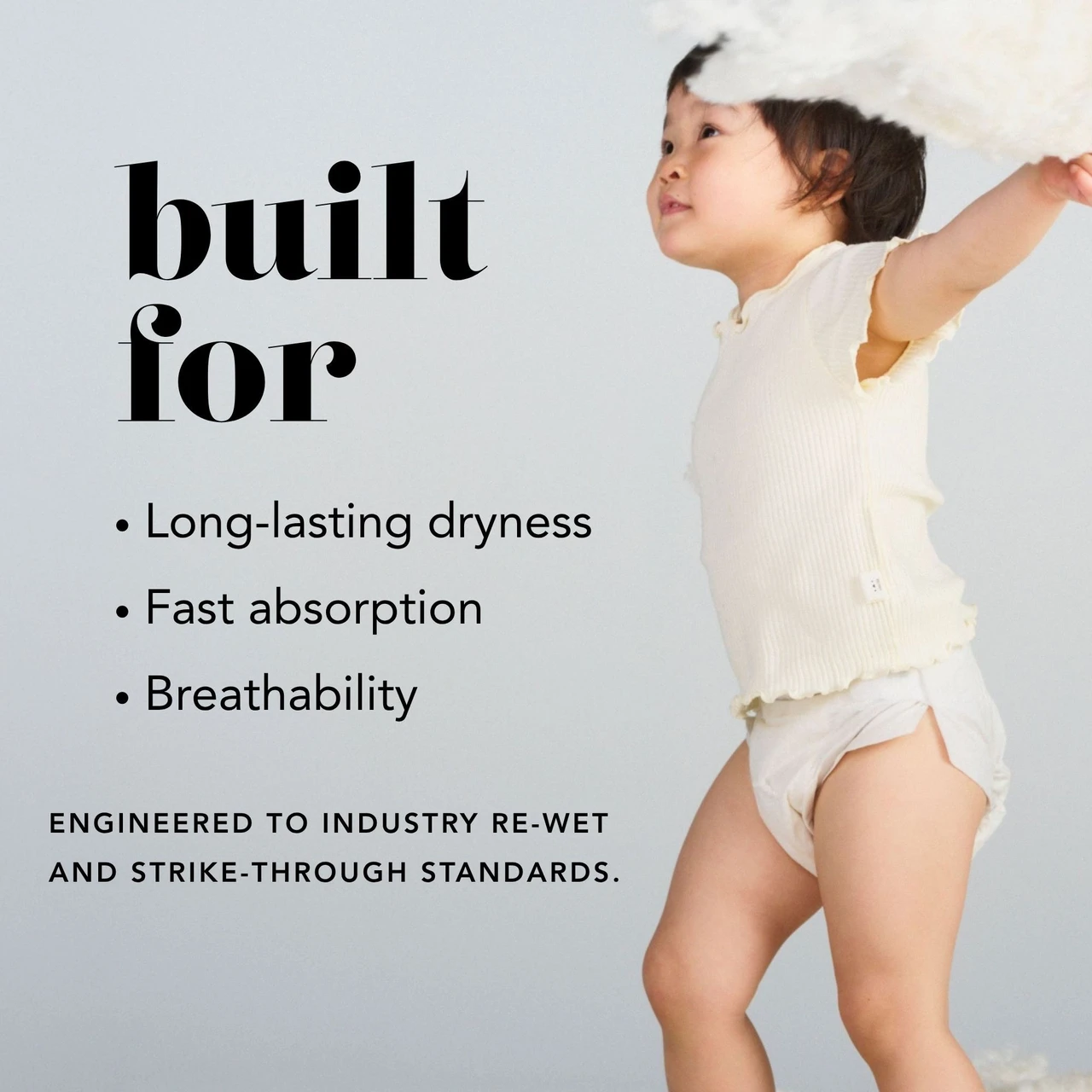
Every diaper gets the same two lab tests. Strike-through is how fast wetness goes in. Re-wet is how much comes back up.
Change does as well as any diaper on both.11
Is it better for the planet, too?
4 doctors answer
Read what Dr. Hertz saidIn Dr. Hertz's words
As a pediatrician, I am often asked about what diaper is best for a baby's bottom. Well, of course, cloth diapers are great, but not practical for a lot of families. Commonly used plastic diapers can set up an environment for bacteria and yeast to grow, leading to diaper rashes. And many families are uncomfortable with the environmental impact of plastic diapers. Now there is a fabulous option. Change Diapers™ are made from cotton, they are ASTM tested for sensitive skin. Because they are made from cotton, your child is less likely to get a diaper rash. Simply, Change Diapers are good for a baby's bottom and good for the environment. What could be better?
 Dr. Hayley Hellstern, DO, IBCLCZest Pediatrics of Fox Chapel“Healthy babies need a healthy planet. Change Diapers products are good for my patients' health and their future.”
 Dr. Deborah Goldenring, MDConcierge Pediatrics“Change Diapers shares my commitment to protecting the planet for future generations while supporting the health and well-being of children.”
Read what Dr. Levine saidIn Dr. Levine's words
Reducing the toxins that our kids are exposed to isn't an optional extra, it's essential pediatrics. It's worth stopping to think about what sits against a child's skin all day. And for babies, that's usually a plastic diaper filled with something called super-absorbent polymer. That's why Change Diapers™ has my attention. They're the only cotton disposable that replaces the petroleum-based SAP with a biodegradable polymer made from natural components. No toxins on baby's skin and less plastic in the world they'll inherit.
- Dr. Hayley Hellstern, DO, IBCLCZest Pediatrics of Fox Chapel“Healthy babies need a healthy planet. Change Diapers products are good for my patients' health and their future.”
- Dr. Deborah Goldenring, MDConcierge Pediatrics“Change Diapers shares my commitment to protecting the planet for future generations while supporting the health and well-being of children.”
The research behind their answers
Diapers add up
A baby goes through 5,000 to 7,000 diapers before potty training.12 What all those diapers are made of matters.
Change is made with biodegradable components, including a Super Absorbent core a lab tested to biodegrade.8 We don't call the whole diaper biodegradable yet, because we can't. We're working on the last few parts.
What’s different
The diaper behind every answer on this page.


Meet the whole team

27 pediatricians and dermatologists reviewed these diapers and put their names behind them.
-
 Nitin Gupta
MD, FAAP
Chief Independent Pediatric Advisor
Rivertowns Pediatrics
Nitin Gupta
MD, FAAP
Chief Independent Pediatric Advisor
Rivertowns Pediatrics
“If the diaper area doesn't breathe, the humidity rises, which creates a perfect breeding ground for bacteria and fungus.”
-
 Keili Mistovich
MD, MPH, FAAP
Zest Pediatrics of Beachwood
Keili Mistovich
MD, MPH, FAAP
Zest Pediatrics of Beachwood
“Families deserve products they can trust — plant-based, non-toxic, and safe for even the most delicate skin.”
-
 Sonia Patel
MD
Rivertowns Pediatrics
Sonia Patel
MD
Rivertowns Pediatrics
“I recommend you wrap your baby in cotton, not plastic.”
-
 Jonathan Jassey
DO, FAAP
Jonathan Jassey
DO, FAAP
“No petroleum SAP. No plastic against the skin. That's how you address the root cause, not just cover it up.”
-
 Andrew Hertz
MD, FAAP
Zest Pediatrics of Solon
Andrew Hertz
MD, FAAP
Zest Pediatrics of Solon
“Every ingredient is transparent, traceable, and earth derived — exactly what I look for when recommending products to families.”
-
 Barbara Vinci
MD, FAAD
Oakview Dermatology
Barbara Vinci
MD, FAAD
Oakview Dermatology
“In my experience, cotton is the safest fiber for a baby's sensitive skin, and with Change Diapers, nothing but breathable cotton touches your baby.”
-
 Mindy Gallagher
DO
Rivertowns Pediatrics
Mindy Gallagher
DO
Rivertowns Pediatrics
“Change Diapers products work amazingly well, and I can feel good about using them.”
-
 Marisa Quattrone
MD
Zest Pediatrics of South Hills
Marisa Quattrone
MD
Zest Pediatrics of South Hills
“Change Diapers' products are non-toxic and designed with both my family's health and the environment in mind!”
-
 Yiping Xing
MD
Hackensack Meridian Health
Yiping Xing
MD
Hackensack Meridian Health
“As a dermatologist, I recommend Change Diapers for your skin, health and the environment. They have phenomenal products.”
-
 Alaleh Akhavan
MD
Joyful Dermatology
Alaleh Akhavan
MD
Joyful Dermatology
“Change Diapers reflects a thoughtful kind of care: products made with our families, our homes, and the living world around us in mind.”
-
 Margaret Okonkwo
MD
Okonkwo Pediatrics
Margaret Okonkwo
MD
Okonkwo Pediatrics
“Change Diapers. Clean for your family. Kind to the planet.”
-
 Katie Lund
MD
Eden Pediatrics
Katie Lund
MD
Eden Pediatrics
“I confidently recommend Change Diapers to families who want effective, safe, and truly earth-conscious products they can feel good about using every day.”
-
 Meena Julapalli
MD
Bluebird Dermatology
Meena Julapalli
MD
Bluebird Dermatology
“Caring for your skin and the planet go hand in hand, and Change Diapers makes both a priority.”
-
 Alison Levine
MD
Fig Tree Pediatrics
Alison Levine
MD
Fig Tree Pediatrics
“Reducing the toxins that our kids are exposed to isn't an optional extra. It's essential pediatrics. That's why Change Diapers has my attention.”
-
 Rachel Mistur
MD
Northcoast Dermatology
Rachel Mistur
MD
Northcoast Dermatology
“Knowing exactly what's in the products touching my family's skin gives me real peace of mind as a parent and doctor.”
-
 Russell Homan
MD
Canopy Pediatrics
Russell Homan
MD
Canopy Pediatrics
“Change Diapers creates accessible, high-quality, environmentally friendly products.”
-
 Dan Hunsinger
MD
White Oak Pediatrics
Dan Hunsinger
MD
White Oak Pediatrics
“Diaper rash is a constant in pediatrics. A diaper that reduces it makes everyone happier.”
-
 Darlene Eckert
MD, FAAP
Zest Pediatrics of Hunters Creek
Darlene Eckert
MD, FAAP
Zest Pediatrics of Hunters Creek
“Change Diapers delivers natural, non-toxic products I trust for my patients and my family.”
-
 Meghan Lynch-Ljubi
DO
Zest Pediatrics of Westlake
Meghan Lynch-Ljubi
DO
Zest Pediatrics of Westlake
“As a pediatrician and mom, I believe small daily choices add up to lifelong health.”
-
 Michael Perisa
MD, FAAP
Zest Pediatrics of Solon
Michael Perisa
MD, FAAP
Zest Pediatrics of Solon
“Setting my patients up to live the healthiest and happiest lives possible is a core value for me in my pediatric practice.”
-
 Hayley Hellstern
DO, IBCLC
Zest Pediatrics of Fox Chapel
Hayley Hellstern
DO, IBCLC
Zest Pediatrics of Fox Chapel
“Healthy babies need a healthy planet. Change Diapers products are good for my patients' health and their future.”
-
 Ivette Cubas
MD
Zest Pediatrics of Weston
Ivette Cubas
MD
Zest Pediatrics of Weston
“As a pediatrician, I look for products free of harsh chemicals, hormone disrupting chemicals and synthetic fragrances. Change Diapers provides full transparency and traceability of ingredients.”
-
 Deborah Goldenring
MD
Concierge Pediatrics
Deborah Goldenring
MD
Concierge Pediatrics
“Change Diapers shares my commitment to protecting the planet for future generations while supporting the health and well-being of children.”
-
 Kristina Javier
MD
Zest Pediatrics of Southeast
Kristina Javier
MD
Zest Pediatrics of Southeast
“As a pediatrician, I value the focus on reducing environmental toxins. It directly supports healthier development and long-term outcomes for children.”
-
 Lourdes Travieso
MD
Zest Pediatrics of Weston
Lourdes Travieso
MD
Zest Pediatrics of Weston
“As a pediatrician, I value brands that put children first.”
-
 Selena Levine
DO
Concierge Pediatrics
Selena Levine
DO
Concierge Pediatrics
“Change Diapers offers everyday essentials made with clean, thoughtfully sourced ingredients that are safe for my patients and family.”
-
 Nikhil Shah
MD
Concierge Pediatrics
Nikhil Shah
MD
Concierge Pediatrics
“I partnered with Change Diapers because I care about the world that we are leaving to our kids.”
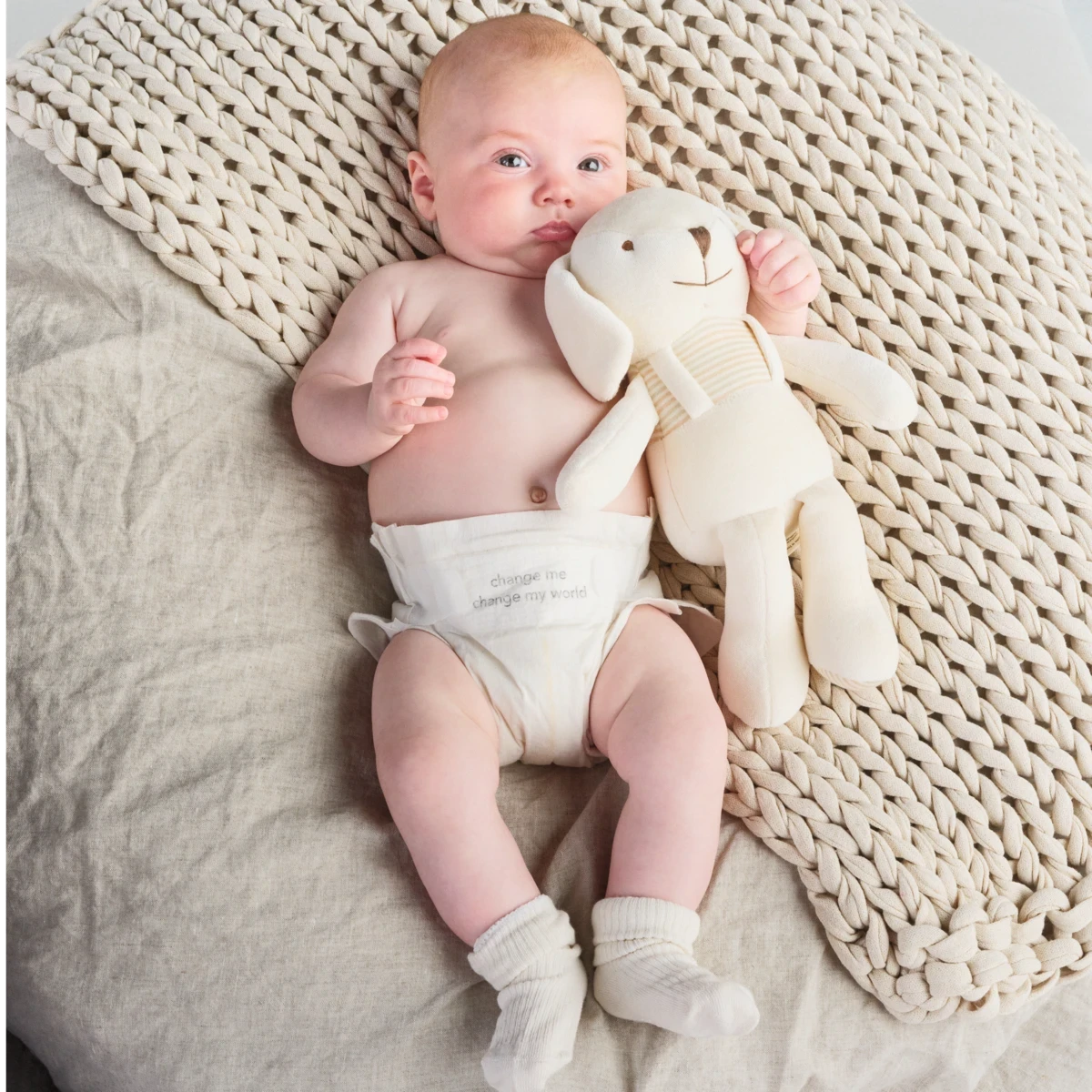
Parents are talking
5.0
-
“i love these diapers! the texture at first threw me off because it’s different than a traditional diaper, you expect soft and fluffy and this was more stiff but i pinched it and fluffed it. my daughter liked it and the absorption was great! my daughter sleeps through the night and she doesn’t leak at all by morning! they are true to size as well!”
ChelseaSep 25, 2026 -
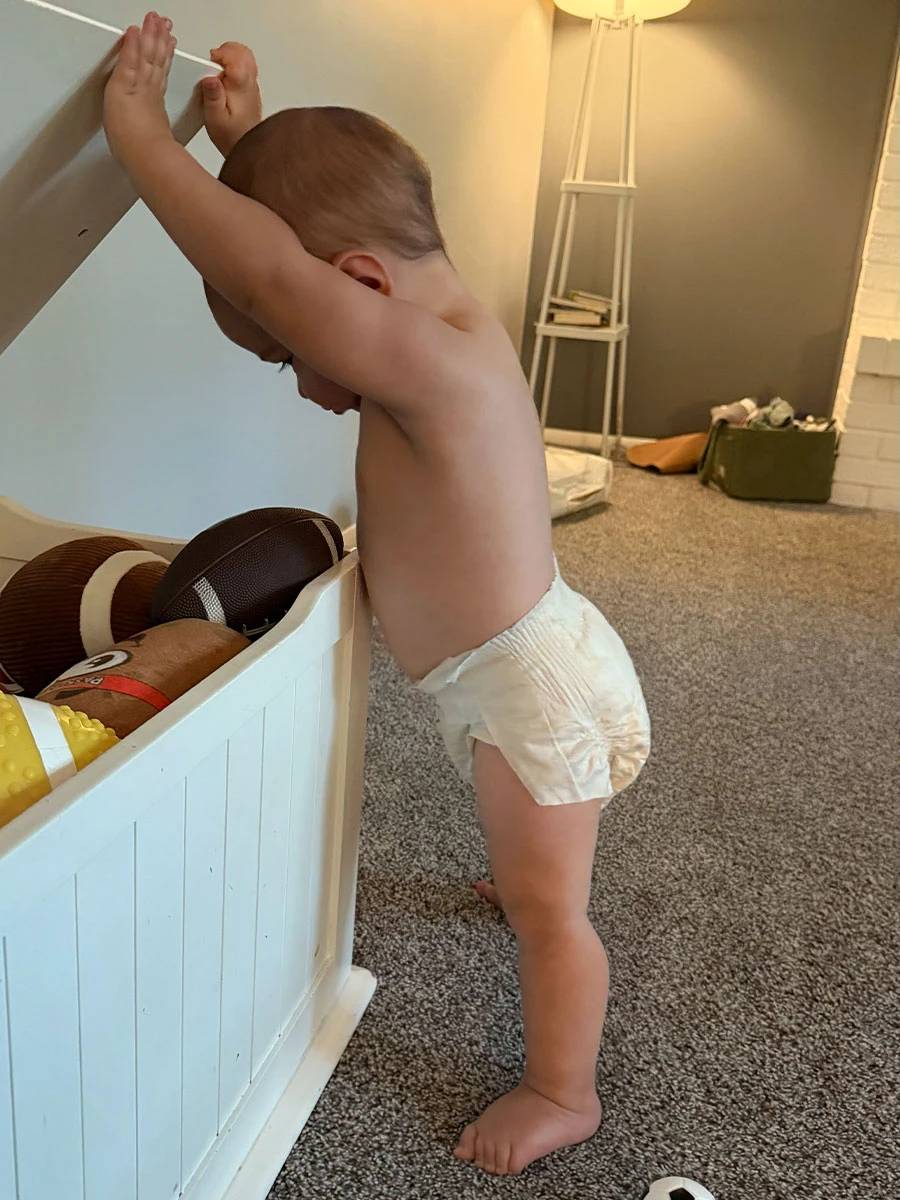 “we liked that only cotton touches our baby’s skin. day-to-day performance matters just as much, and these have held up great while our baby is constantly on the go.”Jacob P.
-
“I was impressed with how soft and comfortable they felt, and most importantly, my child was comfortable wearing them. They fit really well, held up beautifully, and I’ve been so happy with how they’ve performed! I can genuinely say these are diapers I would recommend to other parents.”
JessicaSep 17, 2026 -
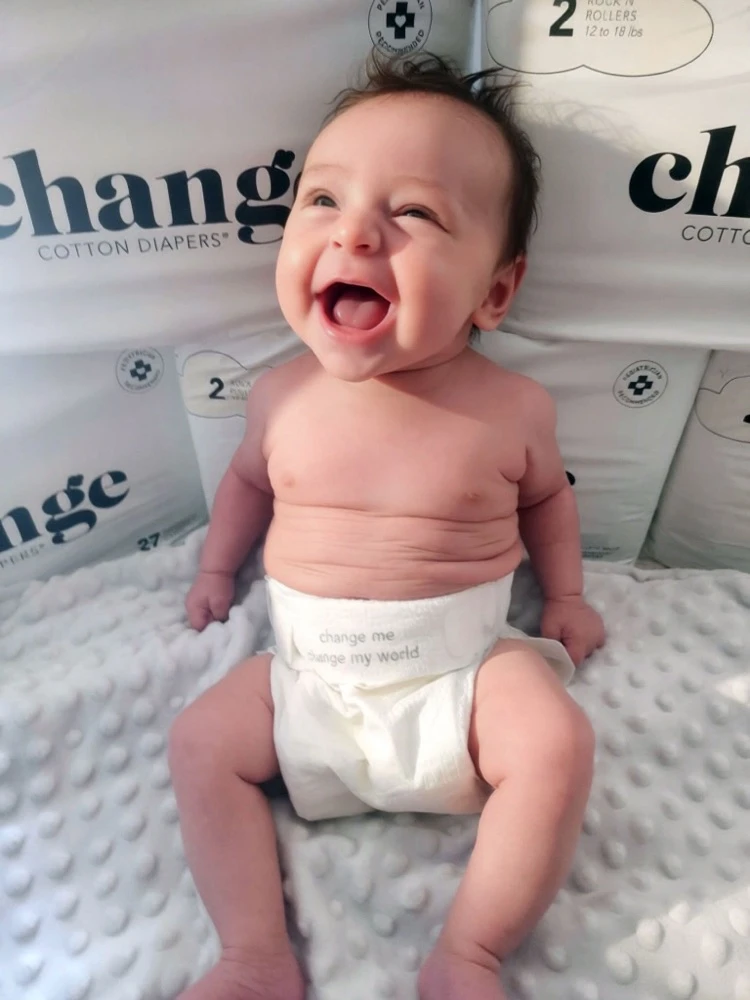 “Soft, comfortable and reliable! Finally a company that makes sustainability and baby health a priority without compromising comfort and quality. A refreshing change in the baby game!”Carmen S.
-
“I’ve been very impressed with Change diapers. The diaper is thick in a way that feels durable and high quality. They absorb well and we haven’t had an issues with leaks, including during overnight use. I also appreciate that they are an environmentally friendly option. Would definitely recommend!”
Sarah D.Sep 15, 2026 -
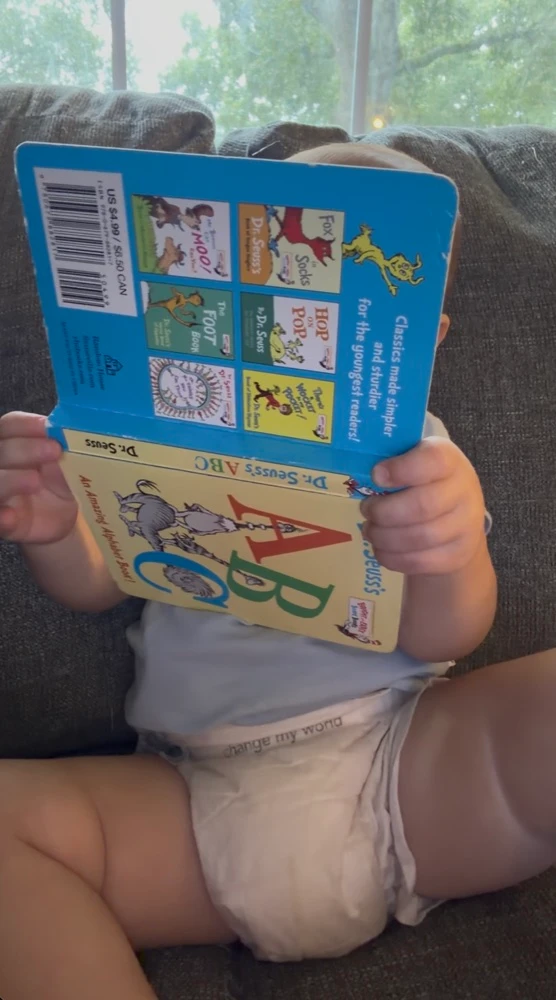 “I’ve always been really picky about diapers and have switched brands based on how my kids’ skin reacts. I’ve been using Change since their recent launch and have been so happy with them. No diaper rashes, incredibly soft, and the performance has been great!”Brittney K.
-
“Really soft and absorbent diapers, even for overnight 2 year olds. So different from the plastics of past decades. Haven't even seen a whisper of diaper rash. Thumbs up for my babies. Thumbs up for the environment.”
Suzanne G.Sep 15, 2026 -
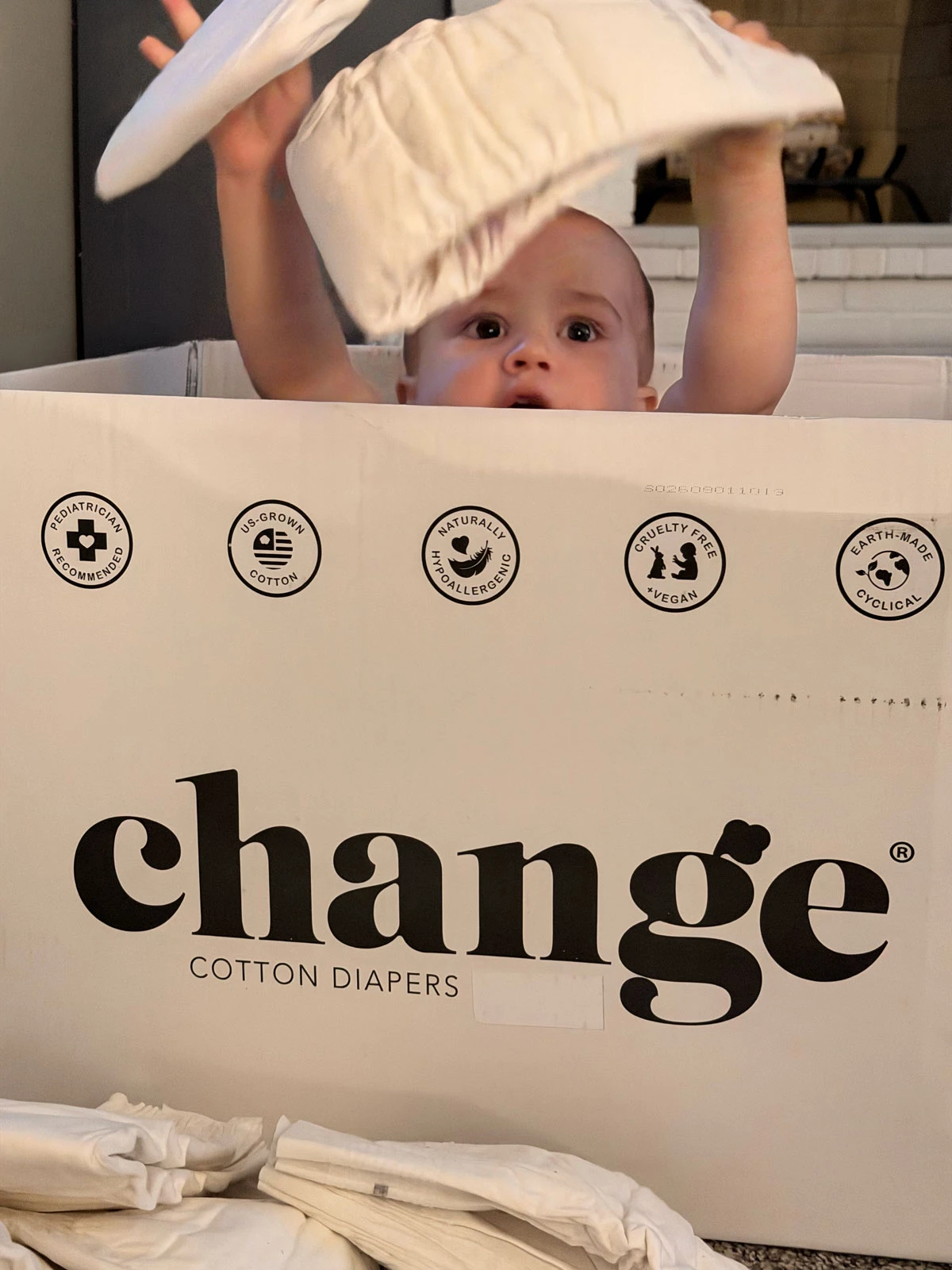 “I keep a box at my house so we’re always ready for visits and sleepovers. My daughter-in-law loves these diapers for the baby, so I like having the same ones here.”Colleen P.
-
“Change diapers are changing the game! So soft and durable you get the best of both worlds. Plus the added bonus of being so eco friendly. All around great diaper, my boys love them!”
GeorgiaSep 15, 2026
Good questions
The ones parents ask us most, about the diaper, your baby's skin and getting the fit right.
The diaper
What are Change diapers made from?
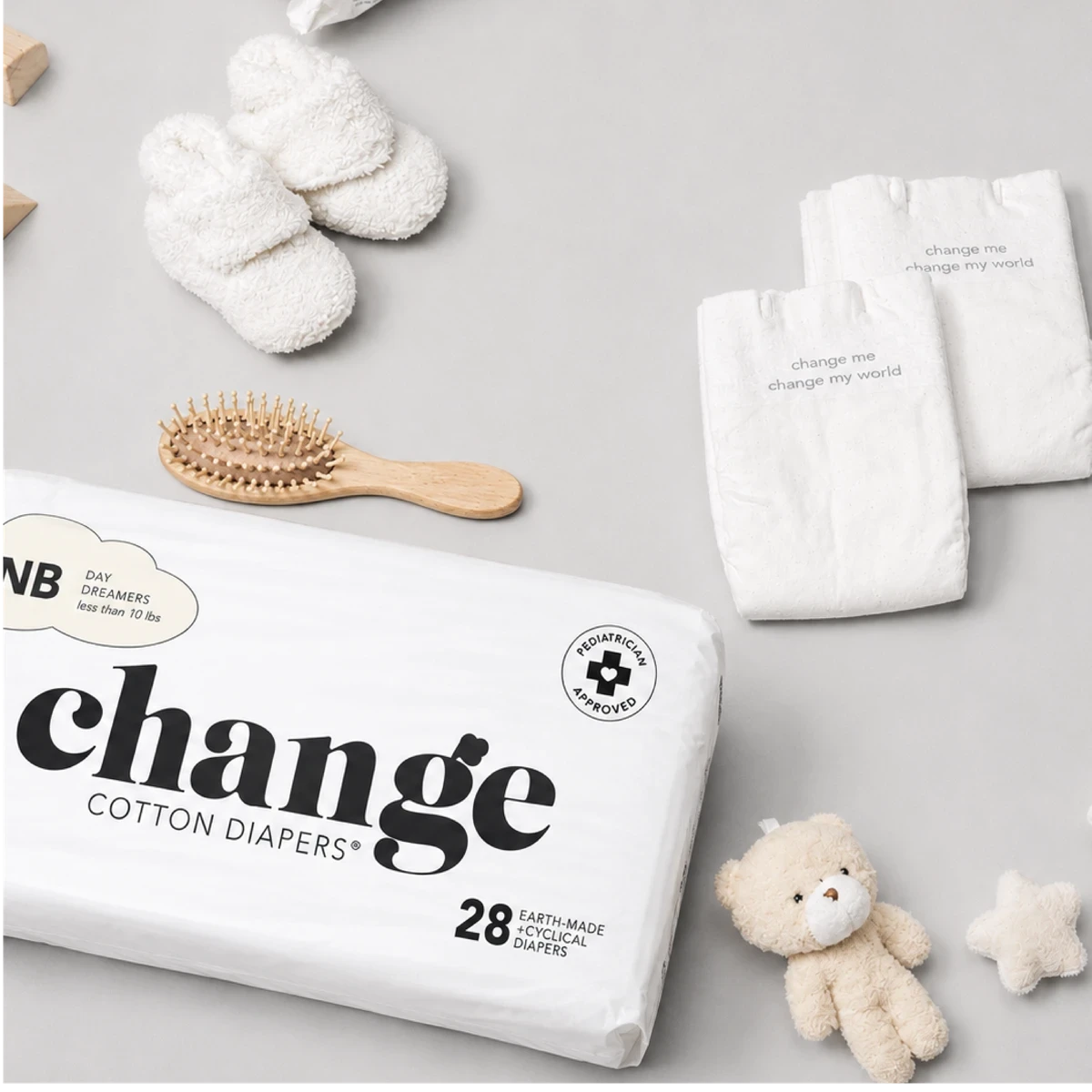
Every layer that touches your baby is 100% cotton, grown in the US. We make our cotton fabric with Elevated Air Injection (EAI): cotton fiber, recycled water and air.
The rest of the diaper is made with biodegradable components, including our Super Absorbent core. Elastics and adhesives are about 2% of the diaper.
Are Change diapers biodegradable?
Change Diapers are made with biodegradable components. Our Super Absorbent core has been independently tested by a certified third-party lab to biodegrade. The elastics and adhesives, about 2% of the diaper, are the parts we're working to replace next.
What's the difference between biodegradable and compostable?
Biodegradable and compostable aren't the same thing, even though they get used interchangeably. Biodegradable just means a material can be broken down by microorganisms (bacteria, fungi) into natural elements like water, CO2 and biomass, eventually.
Compostable is a narrower, more specific claim: the material breaks down into nutrient-rich, non-toxic compost within a defined timeframe under specific composting conditions, and it leaves no harmful residue behind. The conditions and timeframe required can be different for each process.
Where are Change diapers manufactured?
Change diapers are assembled in the United States, using US grown cotton.
Why are Change diapers so quiet and soft?
It's the cotton. Our fabric is made with Elevated Air Injection (EAI), using cotton fiber, recycled water and air, so the layers that touch your baby are soft cotton instead of plastic.
Why is cotton a good choice for a diaper?
Cotton is a natural, soft, and breathable material. We chose cotton because we believe babies deserve gentle, natural materials next to their skin.
Skin and performance
How do Change diapers help with diaper rash?
Every layer that touches your baby is cotton, and cotton breathes. That lets heat and humidity escape instead of sitting against the skin, so your baby's skin stays drier and more comfortable.
Less time in a warm, damp diaper means less of the environment diaper rash needs. That's what Change Diapers are built to help stop.
How do Change diapers perform compared with other disposable diapers?
Diapers are measured on two standard lab tests: strike-through (how fast wetness goes in) and re-wet (how much comes back up). Change performs as well as any diaper on the market on both.
Our Cotton Moisture Transfer Technology (CMT) is designed to manage moisture and keep your baby drier for longer.
How do I know when it is time to change my child?
Change diapers include a wetness indicator to make diaper changes easier. The indicator gives parents another helpful way to know when the diaper is wet, alongside the signs and routines they already use.
Fit and sizing
How do I determine the best size for my baby?
Use the sizing chart in the shop section above to choose the best size based on your baby's weight and fit. If you're between sizes or unsure, we're happy to help you work through the fit based on your baby's current weight and how the diaper is fitting.
How should the diaper fit my baby?
The diaper should sit comfortably below the belly button, with the leg cuffs fitting snugly around your child's legs without digging in. You should be able to fit approximately one finger between the waistband and your baby's skin. The fit should feel secure while still allowing comfortable movement.
How do I know when it is time to change sizes for my baby?
Red marks around the waist or legs can be a sign that the diaper is too tight, so consider moving up a size. Occasional leaks can happen with any diaper, but if you're experiencing consistent leaking, the diaper may be too large or the fit may need adjustment. In that case, trying a smaller size can help. If you'd like, we can help you troubleshoot the fit.
Sources
(12)
We list every source so you can read it yourself. Lines marked with our logo are our own testing and materials records. We'll post each lab summary as soon as it's ready. For more, see our Resources.
- Diaper Dermatitis. StatPearls. NIH National Library of Medicine, NCBI Bookshelf NBK559067.
- Stamatas GN, Tierney NK. Diaper dermatitis: etiology, manifestations, prevention, and management. Pediatric Dermatology, 2014.
- Blume-Peytavi U, et al. Prevention of diaper dermatitis in infants. Pediatric Dermatology, 2014.
- The history of diapers and their environmental impact. Pediatric Research (Nature), 2024.
- Change materials list, September 15, 2026. Published on the changediapers.com Materials page. Read it

- Environmental Health Criteria 191: Acrylic Acid. World Health Organization, International Programme on Chemical Safety, 1997.
- Diapers: frequently asked questions. U.S. Consumer Product Safety Commission.
- Biodegradation testing of the Super Absorbent core by a certified third-party lab. Lab summary to be posted on changediapers.com.
- Stamatas GN, et al. Infant skin microstructure assessed in vivo differs from adult skin in organization and at the cellular level. Pediatric Dermatology, 2010;27(2):125-131.
- Skin barrier function in neonates and infants. Allergy, Asthma & Immunology Research. PubMed Central PMC11791375.
- Change performance testing: strike-through and re-wet, the industry's two standard lab tests. Lab summary to be posted on changediapers.com.
- How many diapers and wipes do babies use in their first 3 years? Lonestar Diaper Bank.
Change DiapersFirst box $100 · Free shipping
Shop